
Right-First-Time Quality
Quality that is planned from the start, not fixed at the end
Conventional quality control is reactive. Problems surface at final inspection, when the goods are already made and any fix costs time and money and puts the delivery date at risk. Inspecting quality in at the end will never match building it in from the start.
Smart Chain takes a preventive approach, and it begins with choosing the right partner. Our Factory Scorecard assesses each facility’s technical capability and its social compliance before an order is placed. Every factory must meet the standard required for the work. Performance is then tracked over time, with clear targets for continuous improvement.
Materials are held to the same discipline. Our ERP system applies smart contract logic, so fabric and trims can be released for shipment only after they have passed lab testing and met agreed quality standards. Nothing substandard ever reaches the production floor.
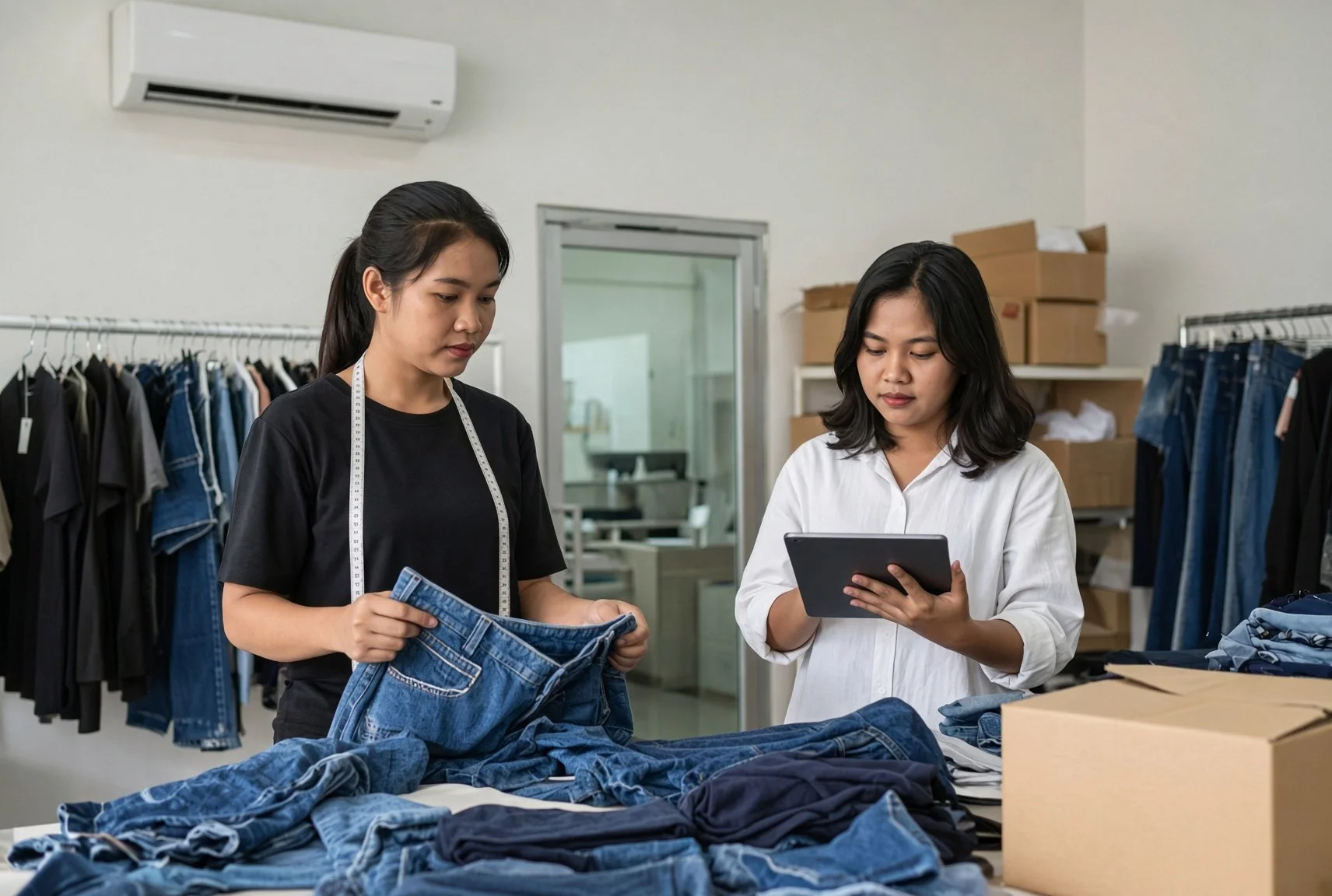
Once production begins, our own inspection app captures results in real time at every critical point: fabric inspection, pre-production sample, pilot run, semi-finished goods, end-of-line and packaging. A live quality dashboard, available on any device, gives every team the same clear view, so problems are dealt with the moment they appear.
Data Integration & Traceability
One connected record for every roll of fabric and every garment
Information about each order is spread across the supply chain. Invoices, packing lists and lab test reports arrive by email in different formats. Each step re-enters the same data by hand, so mistakes and delays build up, and buyers and consumers can’t see where a product came from.
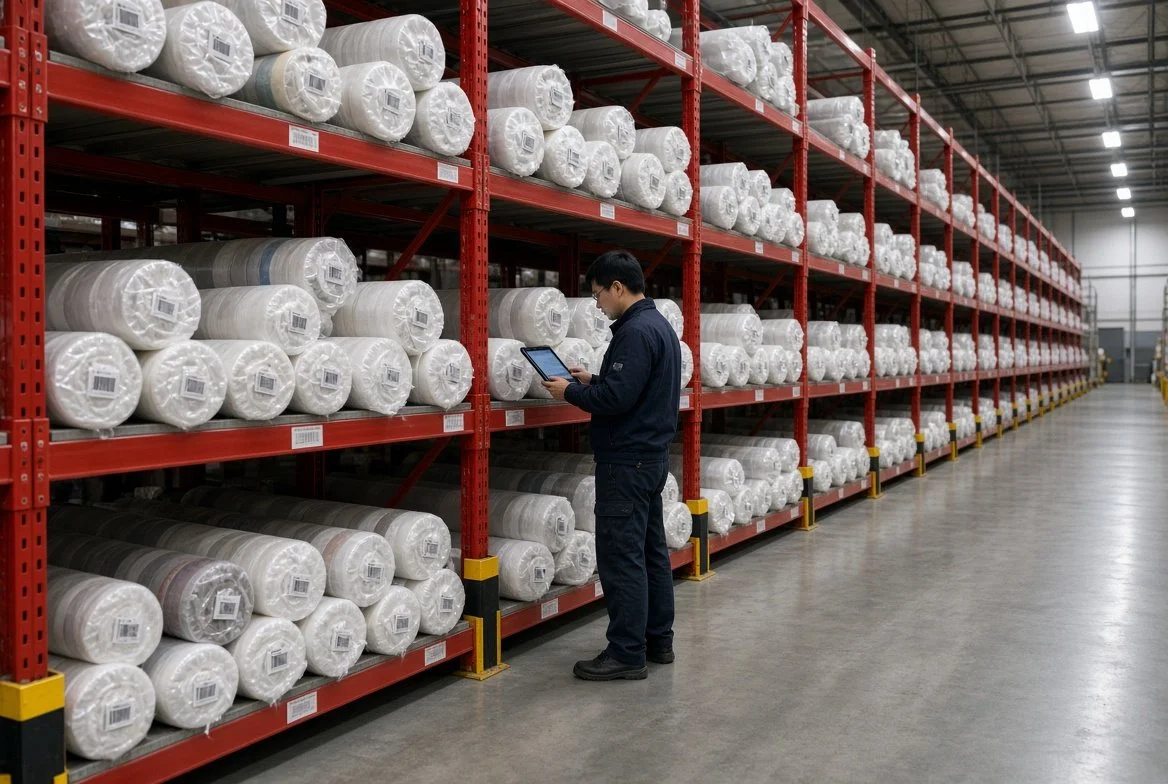
Smart Chain connects the data from start to finish. AI reads the mill’s invoices, packing lists and lab test reports, and FabricsLink uses that data to create a shipping mark for every fabric roll. The garment factory can see each roll’s quality, quantity, fabrication and the order it belongs to. RFIDLink then creates an RFID label for each finished garment from the order details. A QR code on the label links to TT Chain, our blockchain solution that permanently records where the materials came from and who made the product, and when.
The result is less risk and more trust at every step. Fewer manual errors mean less chance of the wrong fabric going into the wrong order, missed shipments or disputed records. Clients follow their shipments in real time and have verified proof of origin. Consumers can trace exactly what they buy and trust the brand behind it.

3D Garment Simulation
See the garment before the first sample is sewn
Every round of physical sampling means cutting, sewing, shipping and waiting for comments. A style can take several rounds to get right, and each one adds cost and pushes back the order.
Smart Chain moves that work onto the screen. We build each style as a true-to-pattern 3D garment, with real fabric properties and prints, so you can check drape, fit and print placement before any fabric is cut. Changes to the silhouette show up instantly, every colourway can be reviewed at once, and your team works from the same images to decide faster. Fewer physical samples mean a shorter sampling cycle and lead time.
First Sale Duty Reduction Program
Cut your U.S. tariffs, backed by full cost transparency
Many brands know about First Sale, but few can use it. U.S. Customs only accepts a First Sale claim when the factory price is fully documented and can be verified, and most supply chains don’t share that information.
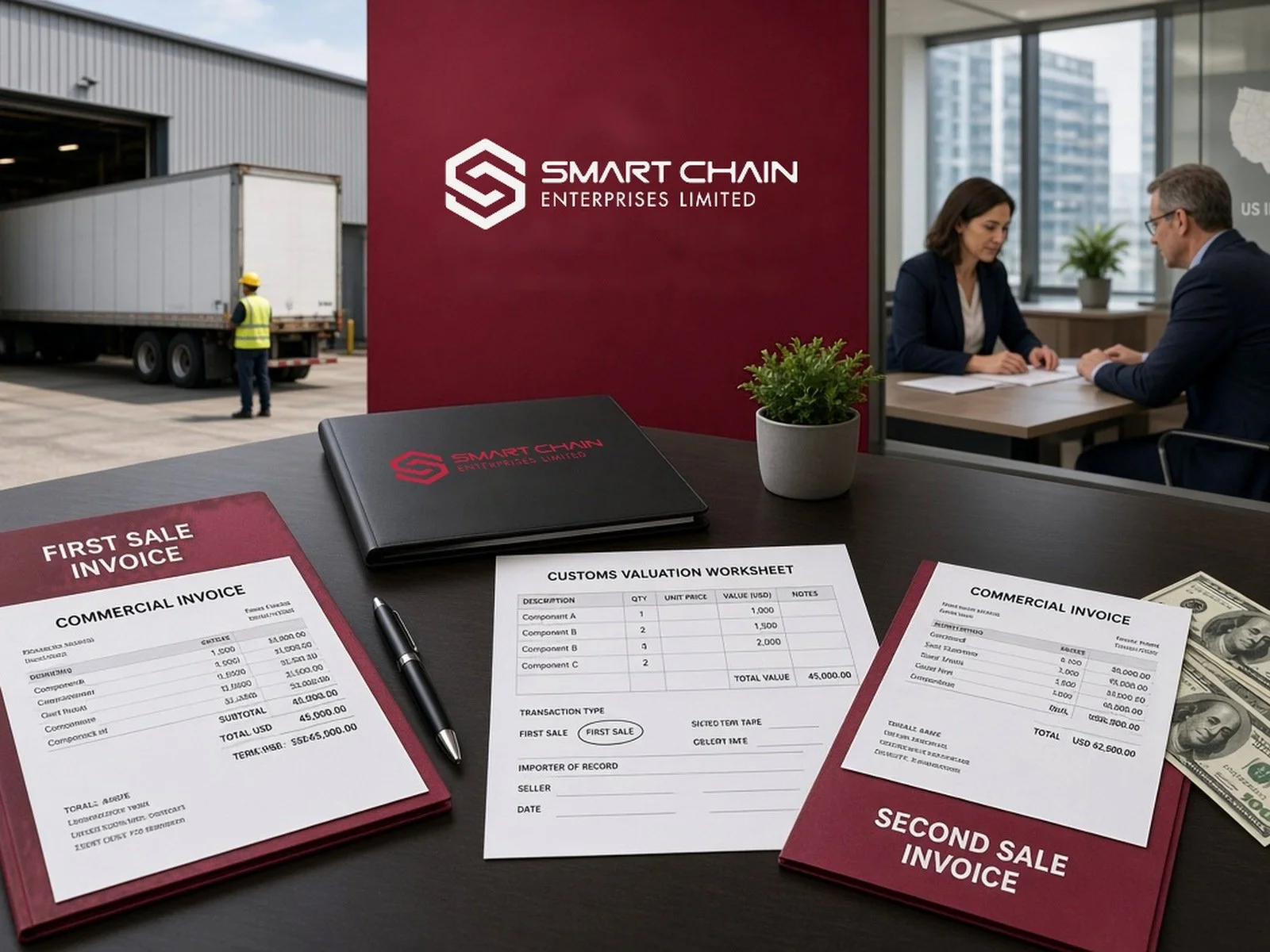
Smart Chain makes it possible. We work directly with our factories and share the real cost behind every order. Each shipment comes with a clear First Sale invoice, a separate second sale invoice and a customs value worksheet, all ready for CBP review. Your duty is calculated on the factory price, and your claim is backed by complete records.
Product Carbon Neutrality Solution
Verified Carbon Neutrality from Materials to Finished Garments
Smart Chain supports our garment manufacturing facility in achieving verified product-level carbon neutrality for garments from the start of materials through to the finished product. The solution is powered by InnoBlock through their TT Green platform, which enables carbon accounting, emissions data collection and tracking, identification of reduction opportunities, and management of offset purchases and retirements. For further details, please refer to the TT Green website at www.tt-green.com. ISO standards provide the framework. ISO 14067:2018 guides quantification of the product carbon footprint. ISO 14068-1:2023 defines the requirements for a carbon-neutrality claim. Verification follows ISO 14064-3:2019. SGS acts as the independent third-party verifier, reviewing the greenhouse-gas statement and claim to a reasonable level of assurance. For brand owners and retailers, products carrying this verified carbon neutrality strengthen brand value. The clear, third-party-backed claim helps attract consumers and supports purchase decisions by showing measurable action on emissions from materials to the finished garment.